
 Turkish
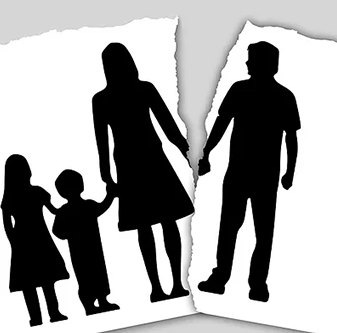
Divorce is:
A legal event. Related to legal issues (custody, alimony),
An emotional event. Related to the couple's estrangement from each other,
An economic event. Related to money and property,
A social event. Regarding changes in friendships and social activities:
It is a psychological phenomenon. It is an event related to the problems of regaining independence and finding oneself. Trying to overcome things alone in a process where so many factors are present is like walking alone on a path of no return. It is a decision that should be made after considerable thought.
Psycho-Social Effects of Divorce
While marriage creates a socially accepted and status-enhancing effect for individuals (being a spouse, being husband and wife, being a parent, etc.), divorce, even if not explicitly stated, reduces spouses to the status of widowed/divorced women and widowed/divorced men, burdened with failure, fragility, and lack of foresight. The personality structures of the spouses, their ages, whether they have children, and whether they have a profession, income, and social support directly affect how this process will be experienced.
In almost all divorces, both women and men experience emotional distress. In the process leading up to the decision to divorce, men and women often hurt each other. Therefore, both parties perceive each other as unwanted. Individuals with dependent, borderline, histronic, paranoid, avoidant, and narcissistic traits will have the most difficulty accepting this process.
Divorce, after the death of a spouse, is the event with the highest stress score in the hierarchy of life events. In this context, from the perspective of "grief theory," divorce can be experienced as a loss, like the process following the death of a family member. This process, which includes the stages of shock and denial, distress, unease and withdrawal, and restructuring, may not always be completed in this order. Individuals who cannot reach the "restructuring" stage, considered the acceptance stage, may experience psychosocial problems of varying intensity and frequency. Suicide and feelings of emptiness are among the most serious problems of this process.
Divorce and Children
Spouses who have children will now have to continue their parenting roles without being together. The "parenting" role stemming from being a spouse will now be carried out without being a spouse. Explaining this situation to children and ensuring their understanding and acceptance will not be easy. Children of different genders and age groups react differently to their parents' divorce. From denial of the divorce to self-blame and increasingly blaming the parent; psychosocial problems such as withdrawal, apathy, aggression, anger outbursts, instability, rapid decline in academic performance, and a tendency towards substance abuse and antisocial behavior may begin to appear.
It is beneficial to carefully monitor the "sleeping effect" of divorce on spouses and children. While divorced spouses initially plan to live their lives with a sudden sense of relief and accomplishment, a decline in quality of life and comfort can be observed, especially in men. Seeking professional help during this period is beneficial for coping with feelings of anger, loss, depression, and emptiness.
Considering that couples who separate due to various reasons often remain in conflict even after the separation, it is essential that they maintain some form of communication regarding their children. Parental reconciliation is crucial because any unresolved conflict between parents makes it harder for children to adjust to the separation. Since this is extremely important for children, I want to emphasize that parents should not overlook this point during the post-divorce process.
Furthermore, each stage of the divorce process is painful; if you are struggling at this point, you can make the process easier for yourself and your children by seeking professional help. Support and assistance are vital at every stage of this complex and challenging process for families who have decided to divorce. In the period after the divorce, transitioning to a new life, living it fulfillingly, and finding a relationship that you believe will bring you healing are all important factors.